
How to tell a normal pause from a fault when your air conditioning won't warm the room, and the safe checks to make first.
Blog
Why is my air con blowing cold air on heat mode?
S.P Contractors
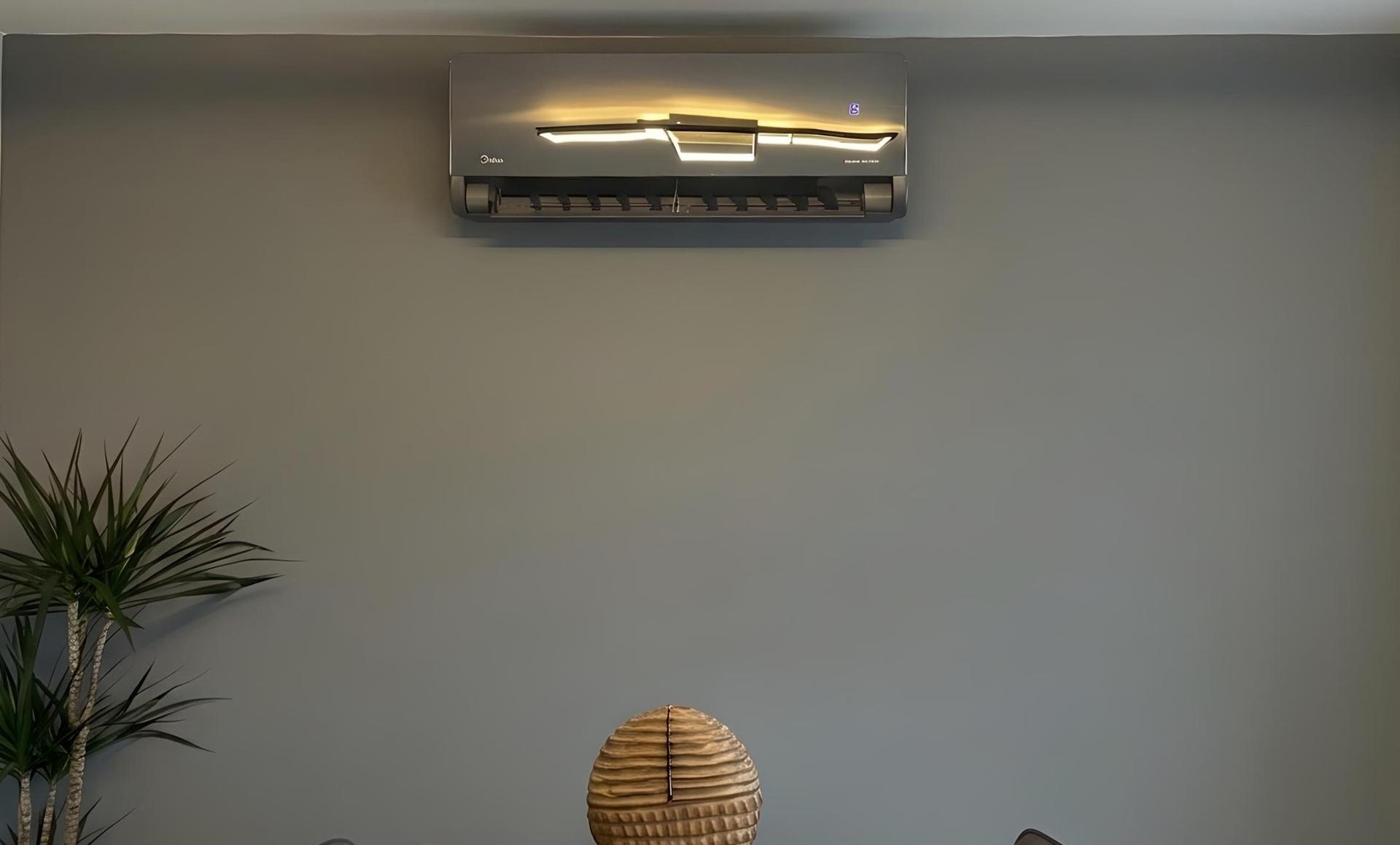
If your air conditioning is set to heat but the air coming out feels cool, it's often nothing to worry about. A split system pauses to warm up when it first starts, and in cold, damp weather it stops heating every so often to defrost its outdoor unit. A wrong setting or a clogged filter are the next most common causes. If the air stays cold for more than about 15 minutes, though, there may be a fault that needs an engineer.
This post explains how air conditioning heats a room, the normal reasons it blows cool air for a while, the settings and checks you can make yourself, and the signs of a fault. Never open the indoor or outdoor unit's casing: both contain electrical parts and refrigerant, which only an F-Gas certified engineer should work on.
How air conditioning heats a room
Most modern split air conditioning is a type of heat pump. In heat mode it runs in reverse: the outdoor unit draws heat out of the outside air, even when it's cold, and the refrigerant carries that heat indoors, where the indoor unit blows it into the room.
That's why it can heat so cheaply, but it also explains its quirks in winter. The outdoor unit has to work harder as the temperature drops, and it can frost up.
Normal reasons it blows cool air
These are part of how the system works, not faults:
It's warming up. When you switch to heat, the indoor fan waits, or runs very slowly, until the coil inside is warm, so it doesn't blow a cold draught. This can take a few minutes, longer on a cold morning.
It's defrosting. When it's around freezing and damp, ice forms on the outdoor unit. Every so often the system pauses heating to melt it. The indoor fan stops or slows, the outdoor unit may steam and drip, and heating starts again after a few minutes. In cold, wet weather this can happen often.
The room has reached temperature. Once the room hits the temperature you set, the unit eases off and the air feels cooler, even though it's still running.
Settings to check
Before anything else, check the remote or controller:
The mode. Make sure it shows heat, usually a sun symbol, not cool (a snowflake), dry (a water drop), fan or auto. Auto can switch to cooling if it thinks the room is warm enough.
The set temperature. It needs to be above the room's current temperature, or the unit won't heat. Try setting it 2 or 3 degrees higher.
The remote's batteries. Weak batteries can stop a change of mode reaching the unit, even if the screen shows it.
Timers and schedules. Check a timer or app schedule isn't switching the unit to another mode.
Several indoor units on one outdoor unit. On a multi-split, if one room is set to cool and another to heat, the system can't do both. Set every unit to the same mode.
Safe checks you can make
If the settings are right and the air is still cool after 15 minutes, these are safe to try:
Clean the filters. Lift the front cover of the indoor unit and slide out the filters, following your manual. Clogged filters cut the airflow, so the unit can't move enough warm air. Rinse them in lukewarm water, let them dry fully and refit them.
Look at the outdoor unit. Clear leaves, snow or anything stored against it, so air can move freely through the fins on the back.
Watch for a defrost. If the outdoor unit is frosted, wait to see whether the frost clears and heating starts again.
Note any error codes or flashing lights on the indoor unit, so you can give them to the engineer.
Don't chip ice off the outdoor unit, pour hot water on it or straighten its fins yourself. The fins bend easily, and damage to them or the pipework can cause a refrigerant leak.
Signs of a fault
Call an engineer if you notice:
cool air on heat mode for more than 15 to 20 minutes, with the settings right and the filters clean
the outdoor unit covered in thick ice that doesn't clear
frost or ice on the pipes between the two units
an error code or flashing light that keeps coming back
a hissing or bubbling sound, or an oily mark around the pipe joints
water dripping from the indoor unit. Our post on air con leaking water indoors explains the causes.
What an engineer will check
The most common faults behind cold air on heat mode are a refrigerant leak, which leaves too little refrigerant to carry heat indoors, and a faulty reversing valve, the part that switches the system between heating and cooling. Faulty temperature sensors, a failing fan or a problem with the defrost control can also stop it heating properly.
An engineer will check the refrigerant pressures, test the valves, sensors and electrics, and look for leaks. If there's a leak, it has to be found and fixed before the system is refilled. Topping up the refrigerant without fixing the leak only puts the problem off. Only an F-Gas certified engineer can legally work on the refrigerant.
How we can help
Our engineers are F-Gas certified, and we look after split and multi-split air conditioning in homes and small businesses. We find the cause, explain what went wrong and fix it, so your system heats the room as it should through the winter.
If your air conditioning isn't heating properly, S.P Contractors can find the fault. You can book a visit through our air conditioning repair service.
Other Articles


